
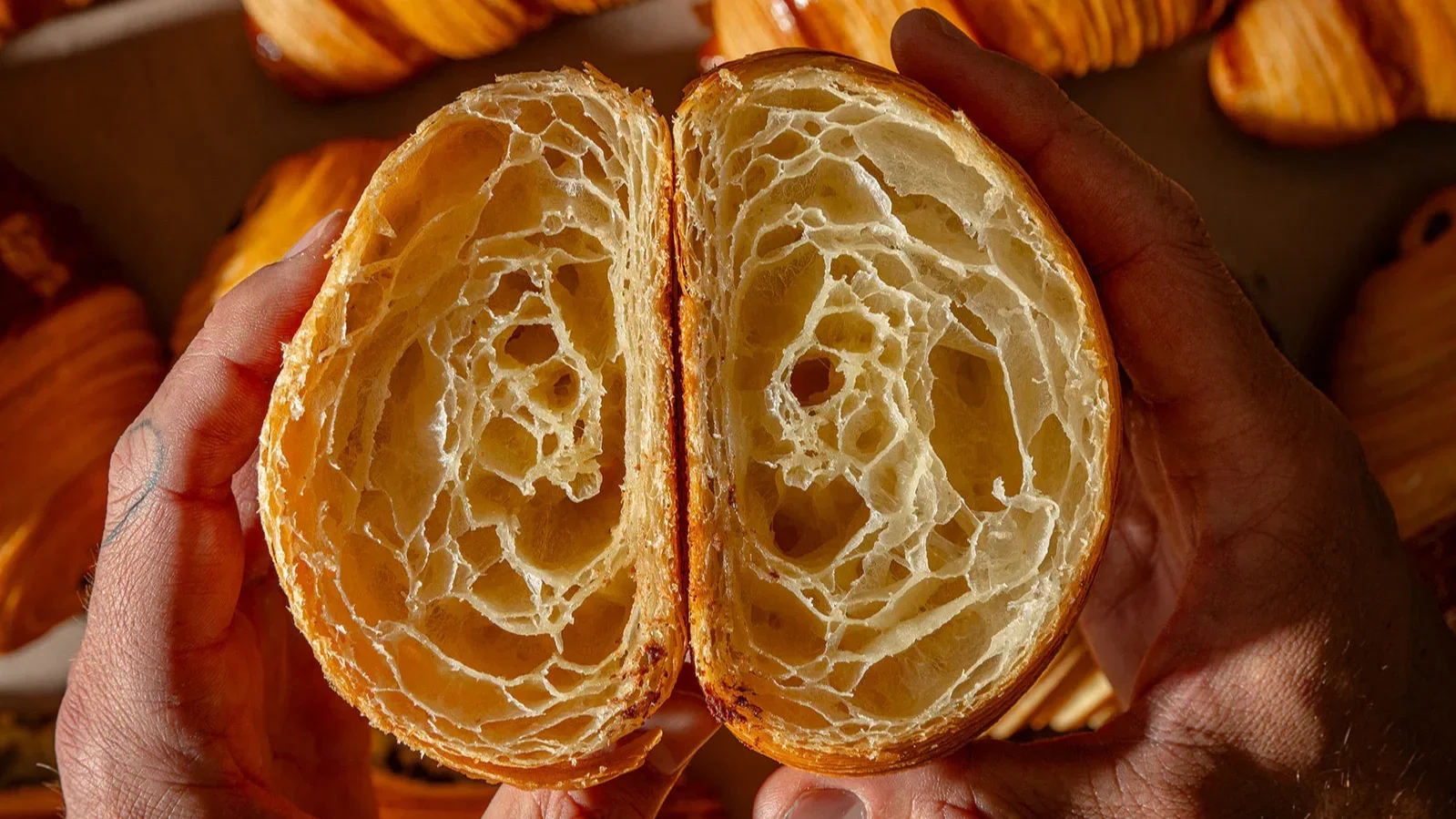
How an improbable Phoenix bakery cultivates extraordinary demand
I’m always drawn to food & wine brands that are wildly successful despite defying nearly all conventional wisdom. Case in point, what if I told you that there is an authentic French Pâtisserie located in an unassuming Phoenix suburb that has people lining up at 4AM for the chance to spend $17 on a fruit tart. It sounds improbable, and yet it's happening every morning. The marketer in me couldn’t stop asking why.
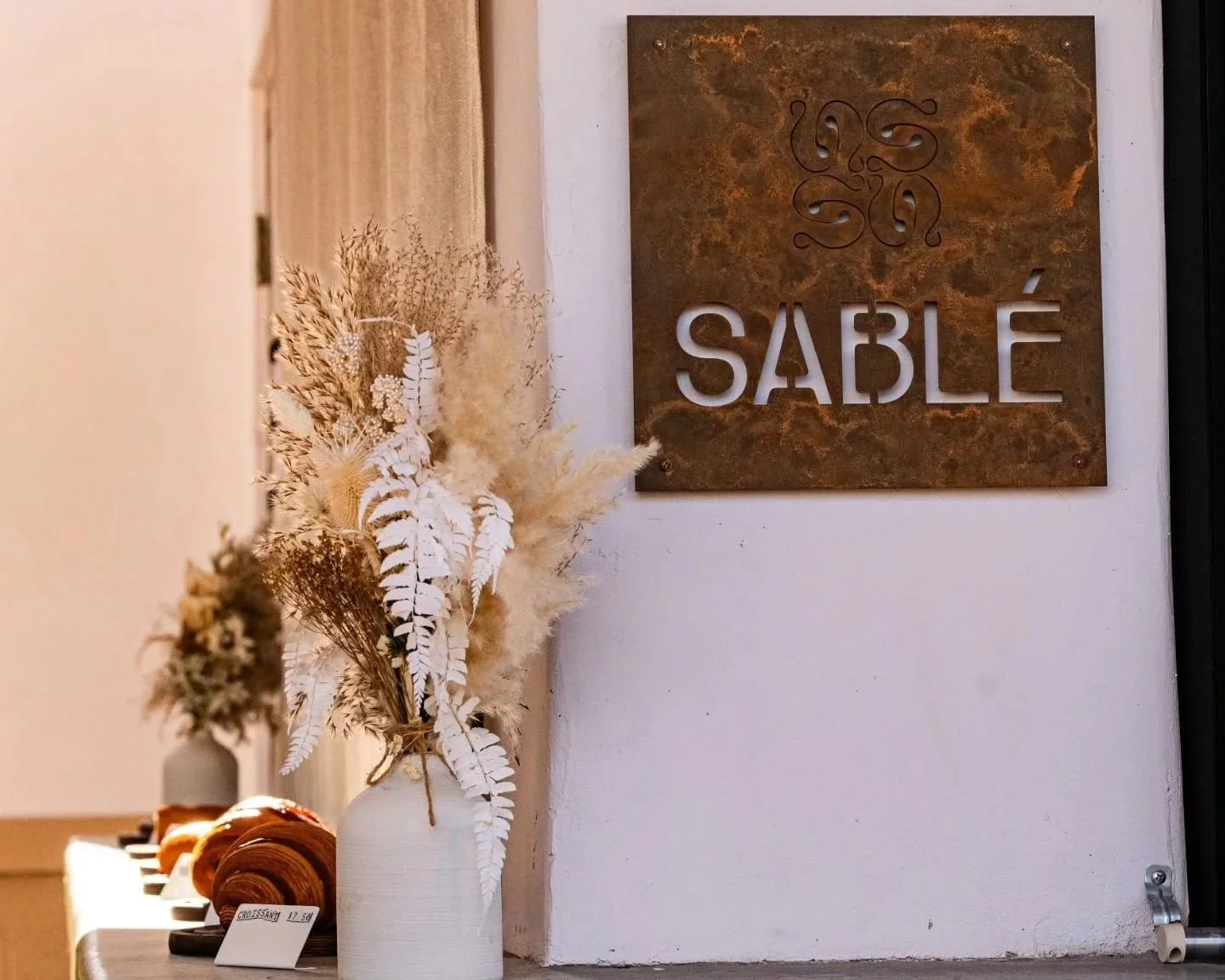
Located in Gilbert, Arizona, Sablé Boulangerie is the brainchild of Pastry Chef Will Porter. In just a few short months his bakery has become a phenomenon despite the unconventional location, the lack of convenience, and the premium pricing. The bakery opens at 8AM, serves just two groups at a time, limits purchases to four items per person, and usually sells out well before noon. At first glance, this might feel like just another blink-and-you'll-miss-it social moment, but I don’t think that’s what we’re seeing here.
Having observed from afar, I see Porter as pulling four distinct demand levers at once, while most brands stop at one or two.
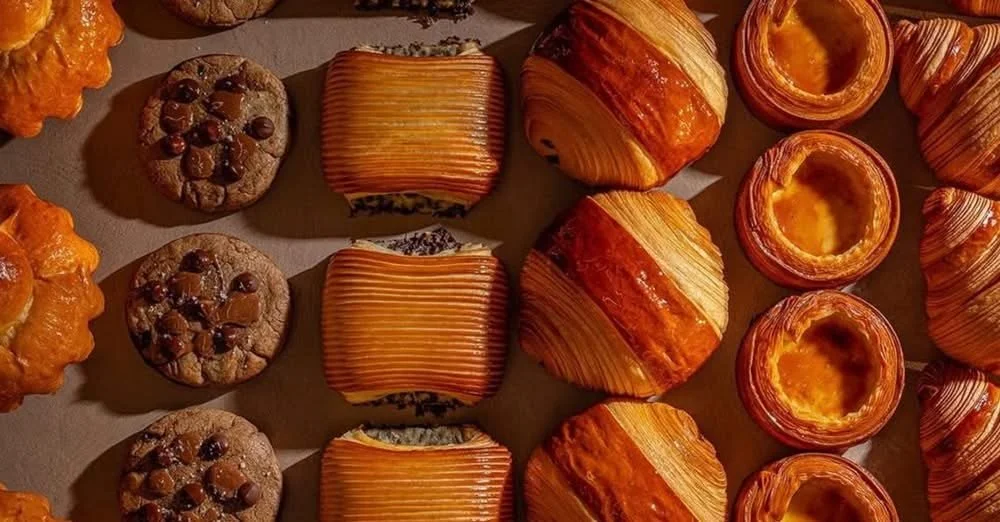
CRAFT
Porter trained at École Nationale Supérieure de Pâtisserie (ENSP), an esteemed pastry school, housed in a château in Yssingeaux, France. He then worked in Paris under several chefs, including Cédric Grolet, one of the most acclaimed pastry chefs working today. That is a real credential, but not one he rests on.
In one of his daily Instagram videos, Porter explains why his butter comes from Normandy, where the grass that the cows graze on produces a higher fat content in their milk. He also talks about sourcing flour from the Grand Moulin de Paris, the official flour of EBP Paris, one of France's premier baking schools. Reportedly, the flour had never before been imported into the United States, which meant navigating FDA labeling and customs before a single bag arrived. Once it did, he and his team ran dozens of dough tests to recalibrate the recipes to account for the American eggs and Arizona's dry air.
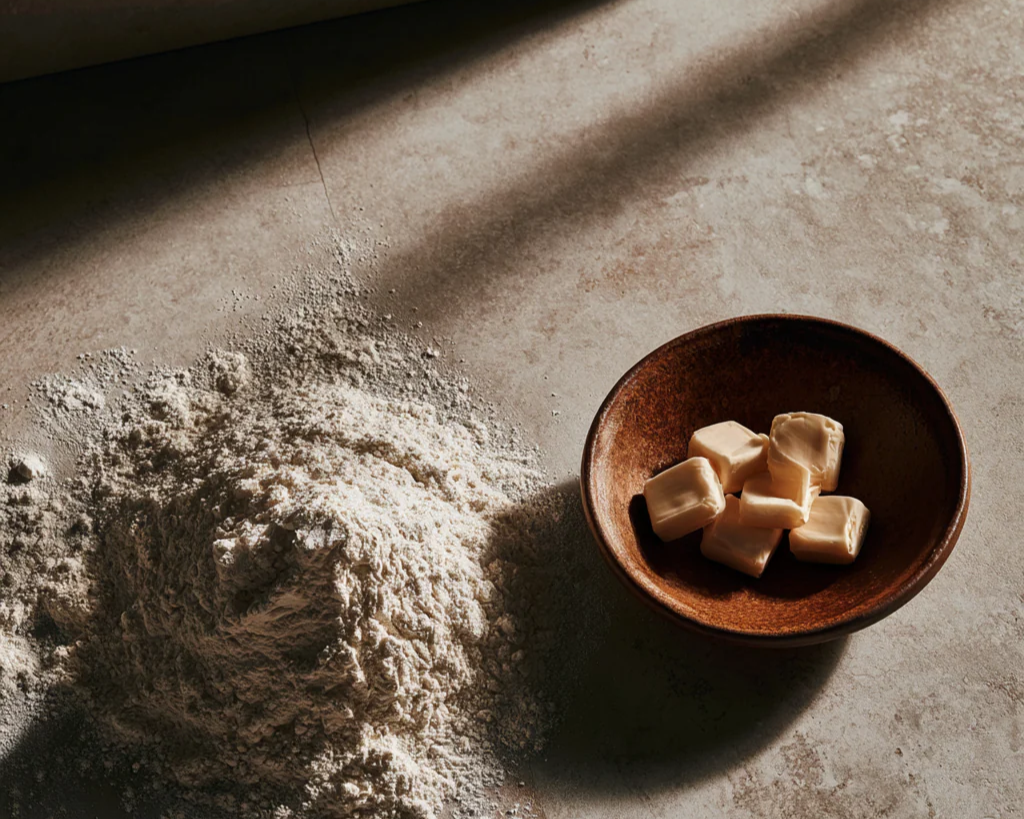
While vague claims of quality are forgettable, Porter makes all of that back-of-the-house craftsmanship highly visible. That's what quietly signals to Sablé's customers that they're not spending all that time waiting for just some ordinary croissant.
HOSPITALITY
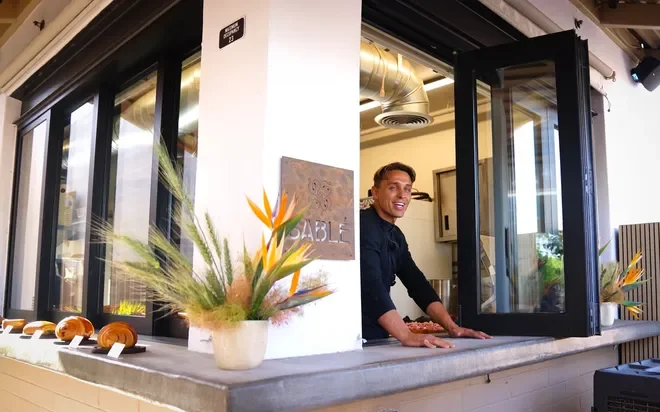
In an era that prizes speed and convenience, Sablé deliberately slows things down. Porter sees beauty in the shared communion of pastry lovers getting to know each other as they await their turn at the counter. Only two groups are served at a time, specifically so people don’t feel rushed. They can ask their questions, take their photos, and make their selections without someone waiting impatiently just behind them. Purchases are limited to four items per person, up from just two when they opened, allowing more guests to experience the bakery each day. Porter warmly greets those assembled each morning to explain these simple rules and graciously thank those in line. He often walks that line before opening, pausing for photos, occasionally providing a few samplings of the offerings that await. Ironically, the line itself has become part of the experience, where guests rub elbows with other members of their in-the-know tribe.
STORYTELLING
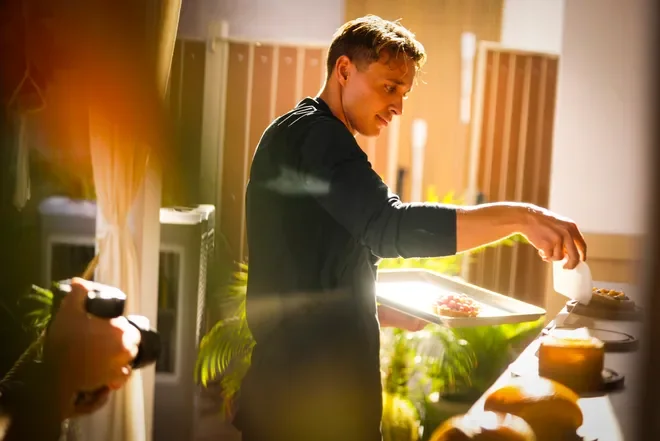
None of the above matters if nobody knows it happened. Porter posts frequent social media updates from Sablé. Perhaps channeling his early film school training, he leans into documentary-style coverage of the daily pulse of the bakery. From early morning shots of pristine pastries being painstakingly crafted, to his near-signature greeting of those first in line, he owes much of his success to his willingness to document the process. While the photogenic pastries do much of the work, Porter fills in the blanks about the ingredients, the process, and the traditions behind them, providing people with reasons to believe. He offers just enough to tantalize, but never overwhelms. Several of the videos have utilized the Pure Imagination song from Willy Wonka & the Chocolate Factory, a fitting anthem for this improbable journey.
As he walks the line, he is greeted by those he’s reached far beyond the streets of Gilbert, from Sacramento, San Diego, and even Nashville. “We saw you on social media!” is a common refrain when Porter asks what brought them there. The viral attention has also attracted a steady stream of traditional media, all asking essentially the same question: “Why this, why Gilbert?” He treats the customers waiting outside as people who deserve the full story, not just the pastry at the end of the line.
Craft and hospitality could both happen quietly. He's chosen not to let them. The videos are not an add-on to the business. They are how the business is visible to anyone who isn't standing in that line.
SCARCITY
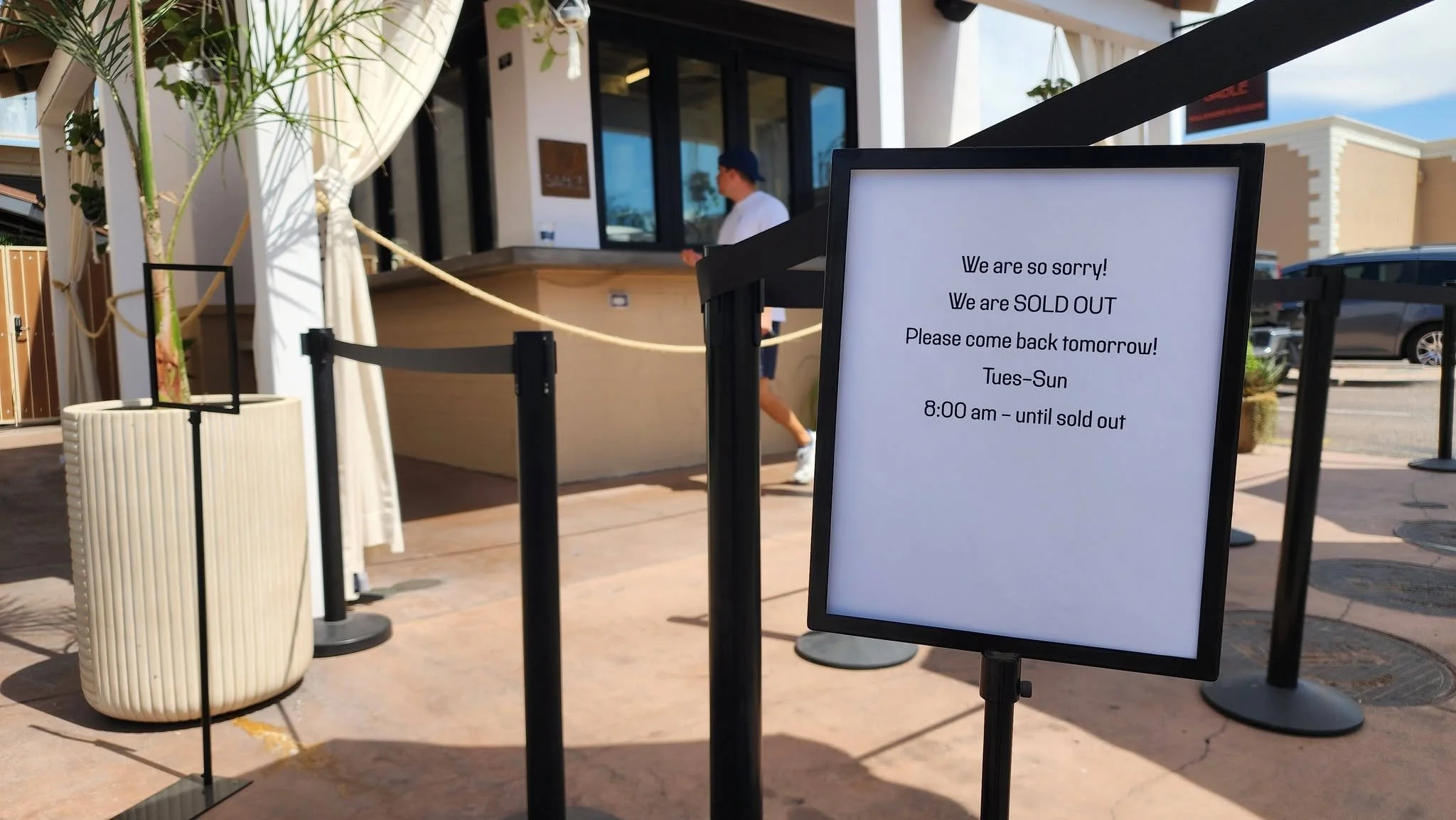
Scarcity has been part of Sablé's story from the start. Porter initially capped orders at two items per person, aiming to reach as many curious customers as possible. He's since relaxed that to four, but the constraint remains, and he's routinely sold out by noon. Worth noting: he isn't rationing pastries because he can't make more. He's rationing them because he won't make more than his small team can produce to his exacting standards each morning. Rather than lower the bar to meet demand, he holds the bar where it is and lets the line fall where it may. It's closer to how a European market purveyor operates than how most American food businesses do. You open, sell what you can vouch for, and when it's gone, it's gone... until tomorrow.
That decision has a side effect Porter probably didn't set out to create, though he hasn't shied away from it either. When something desirable is only available in limited quantities, at one address, for a few hours a day, getting one starts to mean something beyond the pastry itself. It becomes proof you were there, that you showed up early enough, that you're part of that inner circle who understands what all the fuss is about. That's status, and it's likely what turned a good bakery into a viral one with a four-hour line.
None of that appears to be the point, though. It's what happens when a chef refuses to treat volume as a virtue. The wait, while inconvenient, also serves as proof that nothing here was rushed to meet you.
CULTIVATION
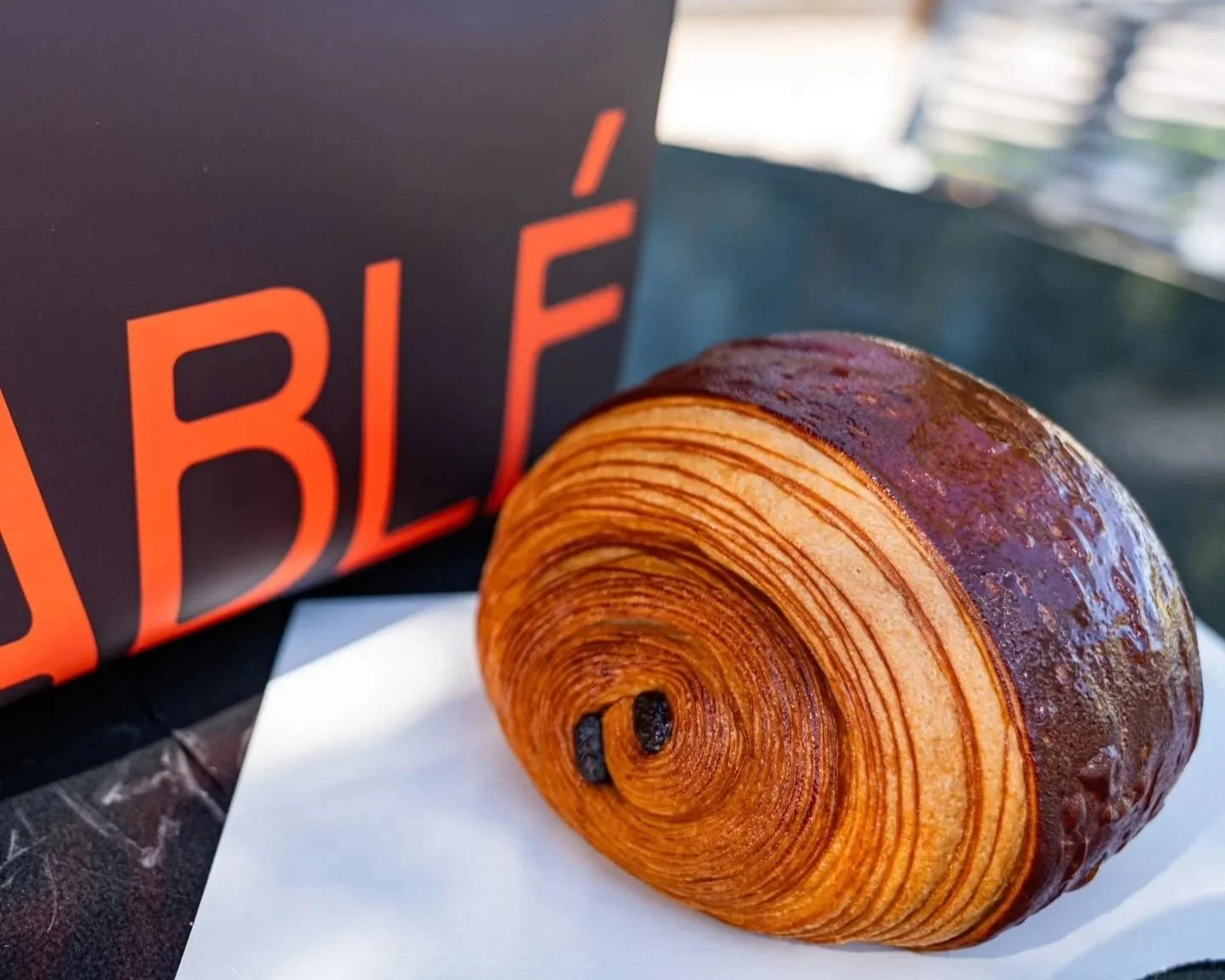
None of this required a French pastry tradition, a wealthy zip code, or a following that Porter walked in the door with. He built all of it, one decision at a time, in a suburb most people couldn't place on a map six months ago. Luxury brands often get talked about as though they're inherited, a heritage you either have or don't, a pedigree that either exists or has to be faked. Sablé is a real-time example of the opposite. It's being constructed in public, one morning at a time, by someone willing to hold a standard even when holding it costs him volume, convenience, and probably a fair amount of sleep.
The videos didn't create the demand. They made it visible. Take away the flour, the butter, the refusal to compromise, and the videos are just a well-shot ad for an ordinary bakery. Nobody drives in from Nashville for that.
What Sablé actually demonstrates is that these four things aren't really separate strategies. They're the same decision, showing up in four places. The craft is what makes the storytelling worth trusting. The storytelling is what makes the wait feel worth it. The wait is what makes the welcome at the front of the line matter. And the welcome is what keeps people showing up even after the novelty wears off. Pull any one of them out and the others lose a step. Most brands manage to pull one or two of these levers in a good year. Porter built four that reinforce and amplify each other, before most folks have had coffee.